
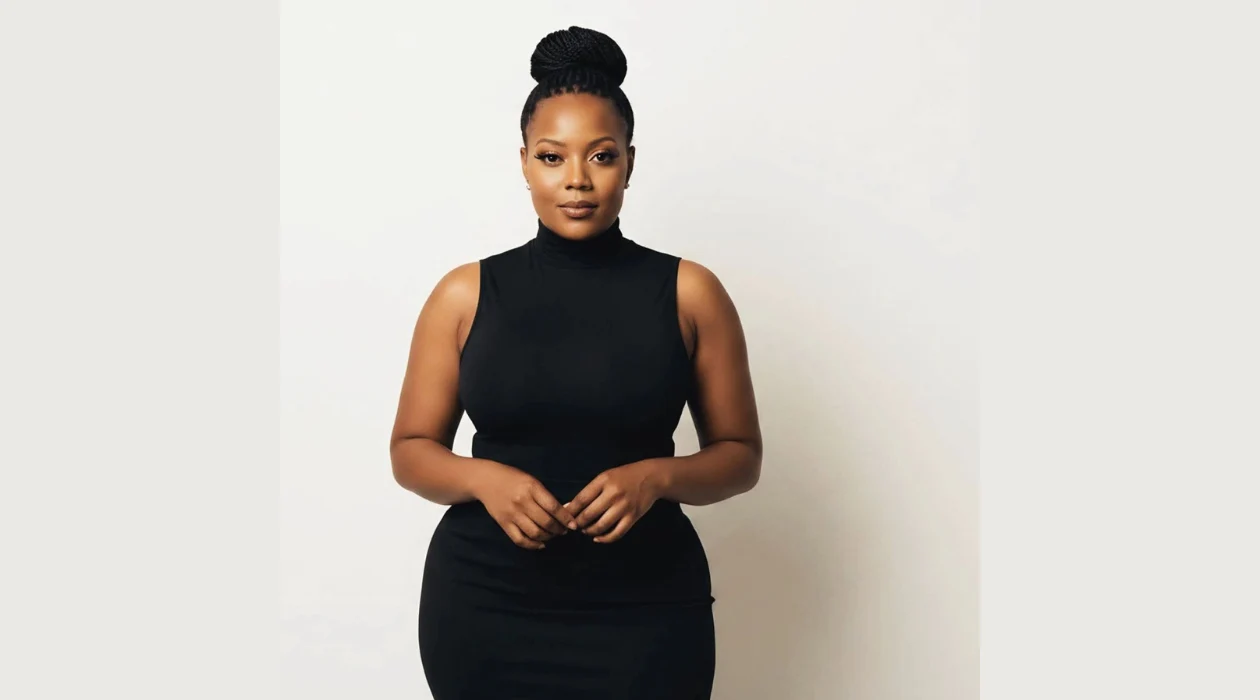
For most of her life, Emme Rain was creating. She just didn’t call herself an artist. There were accomplishments. There were businesses. There was community work, writing, teaching, branding, public speaking, product creation, event planning, television, radio, leadership and the steady accumulation of things that, in hindsight, were clearly creative acts.
“One of the biggest lessons music has taught me is how often we limit our definition of creativity,” Rain says. “I spent most of my life doing artistic things, but I didn’t necessarily feel artistic. Even when accolades were stacking, I still didn’t completely see myself that way. Music made me realize I’ve been an artist all along.”
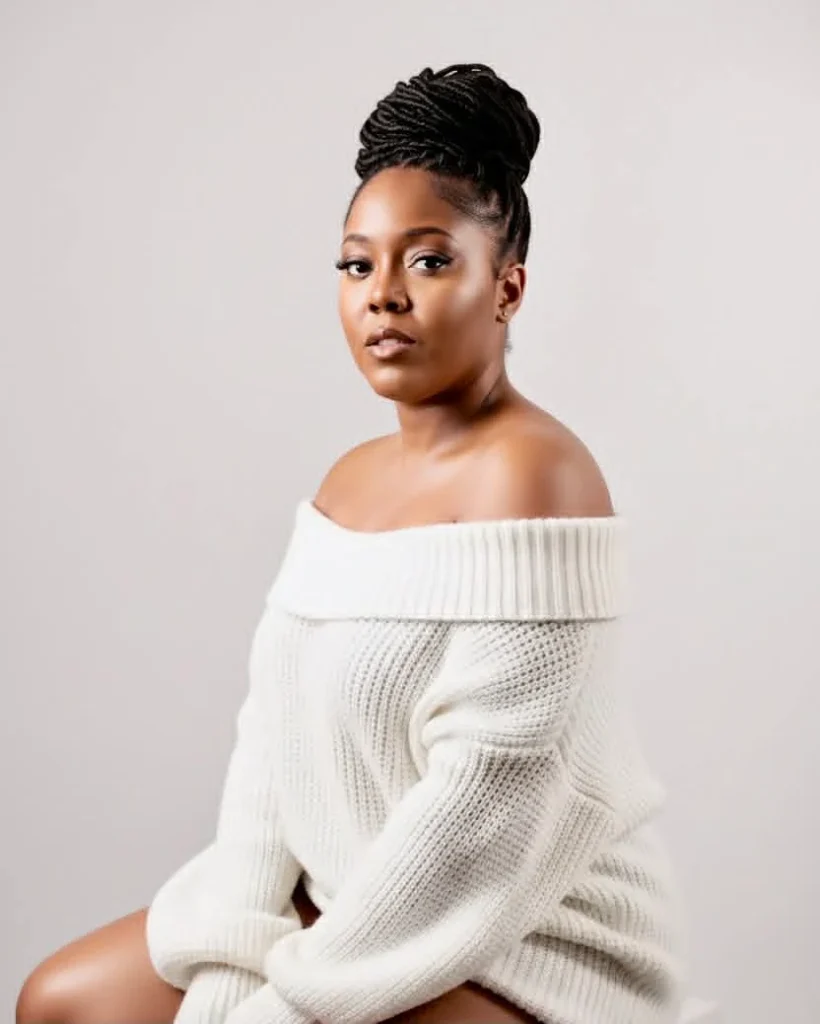
Rain’s relationship with rap began in the late 80’s. Two of the earliest artists to capture her attention were Too Short and Slick Rick. “They made rap feel colorful and even personal to me,” she recalls. “There was personality in it. Storytelling. Attitude. Rhythm.”
“My heart wasn’t really in it back then,” she says. “Partly because I didn’t see great things happening in my little town. When you don’t see examples around you, it can be difficult to imagine yourself becoming one.”
So music remained somewhere in the background while another life unfolded. And it was a substantial one.
Over more than 25 years, Rain built businesses, worked in ministry, developed community programs, then in coaching and spirituality, and learned how to manage people, systems, audiences and responsibilities at scale. With an active client list reaching well beyond 6,000 people over 8 countries, Emme Rain is a true success by any standard of measurement. Managing that level of demand forced her to learn one of the lessons she now considers essential for any creator hoping to grow without disappearing inside their own success: everything cannot depend on you personally.
“You have to learn automation,” she says. “Learn group work and create systems. Most importantly, make sure that your business does not consume the time that belongs to your own development.”
Many emerging artists are forced to learn branding, delegation, audience development, budgeting, marketing, etc, while they are learning the artistic side of the industry. Rain arrived carrying decades of those muscles already developed. Even the ability to withstand criticism and uncertainty had been rehearsed throughout her life.
“You spend 25 years building anything and you are going to have seasons where people misunderstand you, doubt you, support you, leave you, come back, applaud you and criticize you,” Rain says. “That teaches you emotional endurance. Music requires that too.”
Rain spent years being responsible for companies, clients, students, employees, customers and communities. Music however hit more like a mirror.
“There is a point where serving everybody else can become a very respectable excuse for not exploring yourself,” she says. “You can be productive every day but yet be closed to most of your potential.”
Music interrupted her pattern of continual direct service to the public. It asked Rain to experiment. To sound strange at first. To write something imperfect, then perform it. To receive critique and go back to make it better. To discover what her voice could do.
“I opened the door to learn and grow, to choose music for real, to give it a real shot,” she says. “I have one job, which is to be honest with my creativity.”
That shift transformed how Rain thinks about artistic development. She believes people often place boundaries around creativity because they are blind to how ingenious they are and have been. They don’t realize creativity leaks into business plans. It appears in the way someone teaches. It shapes how a community is built, how a product is designed, how a room is led, how a story is told and how a problem is solved.
“I think people should be careful about saying, ‘That’s not me,’” Rain says. “Because you may simply not have met that version of yourself yet.”
And perhaps that is the larger lesson. Creativity does not have a look, an age limit, or a lane. Like the divine, it simply is.
“I thought music was going to help me express things inappropriate for the algorithms,” she says with a smile. She pauses. “What it really did was give me another tool for my passion, which is building strong, free and happy people.”
Want to know more about the artist? Visit her website www.emmerain.com or stream her catalog at bio.to/EmmeRain or follow on socials @emmerainofficial